PNEUMAX 1605.32.450.01.M Linear Actuator 16053230001M 300MM
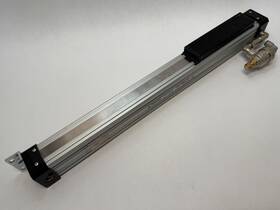
( Brand: Pneumax ), ( Manufacturer Part Number: 1605.32.450.01.M ), ( Part Type: Actuator Linear ), ( Suitable Media: Compressed Air ), ( Cylinder Type: Rodless Cylinder ), ( Cylinder Action: Double-acting )
Review PNEUMAX Linear Actuator 300mm Stroke
Pneumax 1605.32.450.01.M Linear Actuator - Efficient Pneumatic Power Solution (Part Number: 16053230001M, Actuator Length: 300mm)
The Pneumax 1605.32.450.01.M Linear Actuator is a precision-engineered pneumatic linear motion component, designed to deliver exceptional performance in a broad range of industrial automation applications. With a length of 300mm (Part Number: 16053230001M), this actuator offers a suitable solution for medium-duty tasks that require precise, controlled, and repeatable linear motion.
Crafted by the renowned Pneumax, this linear actuator boasts a robust construction, ensuring reliability and longevity under demanding operational conditions. The 1605.32.450.01.M actuator features a high-quality, anodized aluminum cylinder and a durable stainless steel piston rod. This combination guarantees a lightweight yet robust design, capable of withstanding harsh environments and delivering consistent, accurate motion over time.
The Pneumax 1605.32.450.01.M Linear Actuator operates using compressed air, making it an energy-efficient choice for powering various linear motion applications. The actuator offers a stroke of 300mm and a maximum force of 500N, ensuring it can handle a wide range of loads with ease. Its fast response time and rapid recovery ensure smooth, efficient operation, reducing downtime and increasing productivity.
Equipped with a built-in pilot valve, the 1605.32.450.01.M actuator simplifies installation and integration into existing systems. The valve allows for easy control of the actuator's direction of motion, while its integrated flow control feature ensures precise control over the force output. The actuator also features a mounting flange, allowing for easy attachment to various mounting surfaces.
In conclusion, the Pneumax 1605.32.450.01.M Linear Actuator is a versatile, high-performance pneumatic component, designed to deliver reliable, efficient, and accurate linear motion. Its robust construction, energy efficiency, and easy integration make it an ideal choice for a wide range of industrial automation applications, from assembly lines to material handling systems.
Analysis of Pneumax 1605.32.450.01.m Linear Actuator (16053230001m, 300mm)
Pros:1. High Stroke Length: This linear actuator offers a stroke length of 300mm, making it suitable for applications that require a significant travel distance.
2. Speed: The Pneumax 1605.32.450.01.m linear actuator can move at a speed of up to 1.2 meters per second, which is faster than many other linear actuators in its class.
3. Compact Design: Despite its good stroke length, the actuator is compact, making it easy to integrate into various systems.
4. Durable: Pneumax is a reputable brand known for manufacturing high-quality components. This actuator is expected to have a long lifespan and perform well under heavy loads.
Cons:1. Power Consumption: As a pneumatic actuator, it consumes air, which can lead to increased energy costs and the need for a larger air compressor.
2. Noise Level: Pneumatic actuators can be noisy compared to electric actuators, which might be a concern in quiet environments.
3. Requires Regular Maintenance: Pneumatic systems generally require more maintenance than electric systems due to the moving parts and the presence of air.
4. Limited Speed Control: While the actuator can move quickly, it may not offer fine speed control, which could be a disadvantage for applications that require precise movement.
Conclusion:The Pneumax 1605.32.450.01.m linear actuator is a suitable choice for applications that require a long stroke length and fast speed. However, it's essential to consider the potential downsides, such as increased power consumption, noise, maintenance requirements, and limited speed control.
Recommendation:If you're looking for a linear actuator with a long stroke length and high speed, the Pneumax 1605.32.450.01.m linear actuator could be a good fit. However, if energy efficiency, quiet operation, or precise speed control are more important factors, you might want to consider an electric linear actuator instead. Always ensure to evaluate the specific requirements of your application and compare different actuator types before making a decision.
Details:
part #: 16053245001m prices
- $114.77-$203.38
specifications hydraulicylind:
- brand: Pneumax
- mpn: 1605.32.450.01.m
- part type: Actuator Linear
- suitable media: Compressed Air
- cylinder type: Rodless Cylinder
- cylinder action: Double-acting
shipping hydraulicylind:
- carrier: USPS, UPS
- service: Expedited, USPS Priority Mail Express, UPS Next Day Air, UPS Ground
- cost: $0.00
- type: Fixed
- transit: 2-5 Days
- class: Expedited, One-day, Standard
general hydraulicylind:
- condition: Used
- Business Industrial > Hydraulics, Pneumatics, Pumps Plumbing > Hydraulic Pneumatic Cylinders
returns hydraulicylind:
- method: Money back
- time: 30 Days
- policy: Returns Accepted
- paid by: Seller
offer hydraulicylind:
- started: March 24, 2025
- quantity: 1
- availability: In Stock
- options: Ship-to-home
- sold: 0
payments hydraulicylind:
- credit card: Discover
- other
- wallet: Apple-pay
seller hydraulicylind:
- # reviews: 9431
- rating: 100.0%
- city: Rochester, New York
Pneumax 1605.32.450.01.M Is Similar To:
- Pneumax 2420a1513 Pneumatic Dual Cylinder Actuator With Adjustable Stops (46.4% similar) Pneumax pneumatic dual cylinder actuator w/ adjustable stops 2420A1513, good used condition, pulled from working machine that was parted out...(December 2nd, 2024)
- Pneumax 0734022602b Pneumatic Air Cylinder 32mm Bore 25mm Stroke Lot Of 8 (43.2% similar) Condition used. Ask our experts. Country of manufactured. M6-1.0 internal thread on rod. Items in LOT8. Spring extended. And the cost of return shipping. Model part number...(December 5th, 2024)
- Pneumax 1581.80.30.02.1 80mm Bore 30mm Stroke Magnetic Air Cylinder (48.1% similar) Local pick-up, prefer to pick it up yourself. Brand: Pneumax. Need it urgently. Cylinder sleeve material: aluminum. Stroke: 30MM. Weight lbs, oz: action: double. Items in lot: mpn: 1581.80.30.02.1. Will there be a dock or forklift. Next day second air services are available. All goods are so as is' ...(January 31st, 2025)
- Pneumax 6315a0057 Pneumatic Slide Spindle Mount 120mm Stroke (39.7% similar) Holds pressure very well. This slide came off a CBC router...(February 8th, 2025)
- Pneumax 1511.25.50 Pneumatic Cylinder 25mm Bore 50mm Stroke 10bar New (48.9% similar) Your phone number and business name. Next day second air services are available. Brand: Pneumax. Consignee: domestic shipping: the shipping price is shown for us lower 48 states. All goods are so as is' and with all faults meaning, without limitation, that. Mpn: 1511.25.50. Will there be a dock or ...(April 10th, 2025)
- Pneumax 0001500967l Double Act Pneumatic Cylinder 63mm Bore 70mm Stroke 10bar (33.3% similar) Part #: Pneumax 0001500967L for sale...(October 20th, 2025)
- Pneumax 287.4431 Origa Pneumatic Cylinder Pd48381-0100 10 Bar Stroke 100 U.s.a Seller (43.4% similar) Still in great condition. Manufacturer: orig herbage-orig country of origin: Germany. Specifications: model: 287.4431 also marked: PD48381-0100. Stroke length : 100MM. This pneumatic cylinder came from the material handling bed for beam saw. Type: pneumatic cylinder. Please see pictures for more ...(October 28th, 2025)
- Pneumax 0pxd716 Pneumatic Cylinder P Max 10 Bar Stroke 100 U.s.a Seller (38.8% similar) This pneumatic cylinder came from the material handling bed for beam saw. Stroke length : 100MM. Condition: please specify new / used surplus. Still in great condition. Maximum operating pressure: 10 bar. Pneumax 0PXD716 pneumatic cylinder PO. Specifications: model: 0PXD716. Construction: please ...(October 28th, 2025)
- Pneumax 2420a0261 Pneumatic Cylinder Magnetic Stroke 100 Max 10 Bar (42.1% similar) Pneumax 2420A0261 pneumatic cylinder magnetic stroke 100 max 10 bar...(January 2nd, 2026)
- Pneumax 1581.80.100.01.1 Double Acting Pneumatic Cylinder 100mm Stroke 80mm Bore (54.8% similar) Consignee: height : 7 in. Action: double. Size: length : 22 in. Items in lot: cushion: none. Will there be a dock or forklift. Next day second air services are available. Condition: used. Rod end type: threaded male. Your phone number and business name. Need it urgently. All goods are so as is' ...(March 25th, 2026)