TRD MANUFACTURING INC 00-13053-L1 Bimba
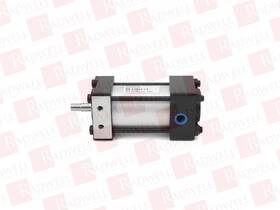
( Brand: Trd Manufacturing Inc ), ( Manufacturer Part Number: 00-13053-L1 )
Review TRD MANUFACTURING INC Bimba 0013053l1 Used
The **00-13053-L1 Bimba 0013053L1** is a high-performance, precision-engineered pneumatic actuator designed for industrial automation applications where reliability, durability, and seamless integration are paramount. This compact yet robust linear actuator is part of Bimba s advanced line of **Mini-Cylinders**, engineered to deliver exceptional force output and precise positioning in a compact footprint. Built with a **double-acting, rod-extending design**, it ensures bidirectional motion with consistent force, making it ideal for assembly lines, material handling, packaging systems, and automated testing equipment. The actuator features a **high-quality, corrosion-resistant aluminum housing** combined with a **stainless steel rod**, providing superior resistance to environmental contaminants, moisture, and temperature fluctuations, ensuring long-term operational integrity even in demanding industrial settings.
The **00-13053-L1** incorporates Bimba s proprietary **Sealed-Life technology**, which eliminates the need for periodic lubrication, reducing maintenance downtime and extending the actuator s service life. Its **piston rod is sealed with advanced elastomers** that maintain optimal performance under repeated cycles, while the **integrated cushioning system** minimizes shock and wear at the end of stroke, protecting both the actuator and connected machinery. The cylinder s **compact dimensions** with a bore size of 1.125 inches and a stroke length of 4.0 inches allow for easy integration into tight spaces, making it a versatile choice for applications where space efficiency is critical. Additionally, the **standard M5 threaded ports** ensure compatibility with a wide range of pneumatic fittings, simplifying installation and reducing the need for custom adapters.
For enhanced control and safety, the **00-13053-L1** is compatible with Bimba s **SmartCylinder technology**, enabling real-time monitoring of position, speed, and force through integrated sensors. This smart capability allows for precise automation control, predictive maintenance, and seamless integration with PLCs, SCADA systems, or IoT platforms, making it a future-proof solution for modern industrial environments. The actuator s **high-efficiency design** ensures minimal energy consumption while delivering peak performance, contributing to cost savings and operational efficiency. Whether deployed in high-speed assembly lines, automated material sorting systems, or precision testing rigs, the **00-13053-L1 Bimba 0013053L1** exemplifies Bimba s commitment to innovation, reliability, and performance-driven engineering.
The product you ve referenced, **BIMBA 00-13053-L1**, appears to be a specific model of a **BIMBA (Bottle In, Bottle Out) filling machine**, commonly used in the beverage industry for filling bottles with liquids such as water, juices, or other beverages. Below is a detailed analysis of its pros and cons, followed by a conclusion and recommendation.
---
### **Pros of buying a BIMBA 00-13053-L1**
1. **High Efficiency and Speed**
The BIMBA system is known for its high-speed filling capabilities, often capable of filling thousands of bottles per hour. This makes it ideal for large-scale production lines where throughput is critical. The model you ve mentioned is likely designed for mid-to-high-volume production, ensuring minimal downtime and maximum output.
2. **Precision and Consistency**
BIMBA machines are engineered for precise filling, reducing waste and ensuring uniform fill levels across all bottles. This consistency is crucial for maintaining product quality and meeting regulatory standards, especially in industries where fill accuracy is non-negotiable (e.g., carbonated beverages, dairy, or pharmaceuticals).
3. **Versatility in Bottle Types**
The BIMBA system can handle a wide range of bottle sizes, shapes, and materials (e.g., glass, PET, HDPE). This flexibility allows manufacturers to adapt to different product lines without significant modifications to the equipment. The 00-13053-L1 model may support multiple bottle formats, making it a cost-effective choice for businesses with diverse product offerings.
4. **Automation and Reduced Labor Costs**
BIMBA machines are highly automated, requiring minimal manual intervention once set up. This reduces labor costs and human error, leading to more efficient operations. The system can integrate with other automated processes (e.g., labeling, capping, or packaging), creating a seamless production line.
5. **Energy Efficiency**
Modern BIMBA models, including this one, are designed with energy-saving features such as variable speed drives and optimized filling mechanisms. This can lower operational costs and reduce the environmental impact of the production process.
6. **Durability and Low Maintenance**
BIMBA machines are built with robust materials and components to withstand continuous operation. The 00-13053-L1 model likely includes features such as corrosion-resistant parts, easy-to-clean surfaces, and reliable sensors, which extend the machine s lifespan and reduce maintenance downtime.
7. **Compatibility with Sanitation Standards**
The beverage industry requires strict hygiene standards, and BIMBA machines are designed to meet these requirements. The 00-13053-L1 model may include features like self-cleaning nozzles, easy-to-disinfect components, and compliance with food-grade materials, ensuring it can handle products that require high sanitation levels.
8. **After-Sales Support and Spare Parts Availability**
BIMBA is a well-established brand with a global presence, offering extensive after-sales support, training, and readily available spare parts. This reduces the risk of prolonged downtime due to unavailability of replacement components.
9. **Scalability**
The BIMBA system can be easily integrated into larger production lines or expanded as business needs grow. The modular design of many BIMBA models allows for upgrades or additions without overhauling the entire setup.
10. **Reduction in Product Loss**
The BIMBA filling process minimizes product loss during filling, especially for viscous or foamy liquids. The system s design ensures that overfilling or spillage is kept to a minimum, which is particularly beneficial for expensive or perishable products.
---
### **Cons of buying a BIMBA 00-13053-L1**
1. **High Initial Investment**
BIMBA machines, including this model, are premium equipment with a significant upfront cost. The price may be prohibitive for small-scale producers or startups with limited capital. The cost includes not only the machine itself but also installation, training, and potential customization.
2. **Complex Installation and Setup**
Due to their advanced features and automation, BIMBA machines require professional installation and thorough setup. This may involve hiring specialized technicians, which can add to the initial costs and time required before the machine can be operational.
3. **Training Requirements**
Operating and maintaining a BIMBA machine effectively requires trained personnel. The learning curve can be steep, and businesses may need to invest in training programs for their staff. This adds to the operational costs and may temporarily reduce productivity while employees adapt.
4. **Potential Downtime During Maintenance**
While BIMBA machines are durable, like all complex machinery, they require regular maintenance. Scheduled downtime for servicing or unexpected breakdowns can disrupt production schedules, especially if spare parts are not readily available.
5. **Space Requirements**
High-speed filling machines like the 00-13053-L1 require adequate space for installation. Factories with limited floor area may struggle to accommodate the machine without significant modifications to their layout.
6. **Dependence on Power Supply**
The machine s high-speed operation and automation rely on a stable power supply. Fluctuations or outages in electricity can halt production, and businesses may need backup power solutions, which add to the infrastructure costs.
7. **Customization Costs**
While the BIMBA system is versatile, customizing the machine to fit specific bottle sizes or filling requirements may incur additional costs. Businesses with unique or frequently changing product lines might find these customization expenses add up over time.
8. **Potential for Overfilling or Underfilling Issues**
Although BIMBA machines are precise, occasional calibration or sensor issues can lead to inconsistencies in fill levels. This requires regular monitoring and adjustments, which may add to the operational workload.
9. **Environmental Considerations**
While BIMBA machines are energy-efficient, the production process itself (e.g., bottle manufacturing, transportation) may have environmental impacts. Businesses aiming for sustainability may need to consider the broader supply chain and offset strategies.
10. **Vendor Lock-In**
BIMBA machines are proprietary systems, and businesses may become dependent on BIMBA s support for maintenance, upgrades, or spare parts. This can limit flexibility if the business later decides to switch to a different brand or technology.
---
### **Conclusion**
The **BIMBA 00-13053-L1** is a high-quality, efficient, and versatile filling machine well-suited for mid-to-large-scale beverage production. Its strengths lie in its speed, precision, automation, and durability, making it an excellent choice for manufacturers prioritizing productivity and consistency. However, the high initial cost, complex setup, and maintenance requirements may pose challenges for smaller businesses or those with limited resources.
For businesses with the capital and operational capacity to invest in advanced equipment, this machine offers significant long-term benefits, including reduced labor costs, minimized product waste, and compliance with industry standards. On the other hand, smaller producers or those with budget constraints may find it more prudent to start with a lower-cost, simpler filling machine and scale up as their operations grow.
---
### **Recommendation**
**Buy the BIMBA 00-13053-L1 if:**- You are a mid-to-large-scale beverage producer with a steady demand for high-volume filling.
- Your production line requires precision, speed, and automation to maintain efficiency.
- You can afford the upfront investment and have the infrastructure to support the machine s installation and maintenance.
- Your business prioritizes long-term cost savings through reduced labor, waste, and energy consumption.
- You value the brand s reputation for reliability, after-sales support, and compatibility with sanitation standards.
**Consider alternatives if:**- Your production scale is small or unpredictable, and you cannot justify the high initial cost.
- You lack the technical expertise or resources to handle the machine s installation, training, and maintenance.
- You are operating on a tight budget and could benefit from a more affordable, simpler filling solution initially.
- Your product line is highly variable, and you may need frequent customizations that could increase long-term costs.
**Additional Tips:**- Conduct a thorough cost-benefit analysis, including not only the purchase price but also installation, training, maintenance, and potential downtime costs.
- Request a demonstration or trial run to assess the machine s performance in your specific production environment.
- Compare this model with other BIMBA variants or competing brands (e.g., Krones, Tetra Pak, or Bosch) to ensure it meets your exact requirements.
- Consult with industry experts or other manufacturers using BIMBA machines to gather real-world feedback on the 00-13053-L1 model s performance.
Details:
Sells new and surplus product develops channels to purchase such. All products are guaranteed to be working but may show signs of use if purchasing a used product. Call to use a shipping service other than the ones listed. Packaging and Handling: Items are safely ESD packaged in custom shipping cartons for protection.
part #: 0013053l1 prices
- $250.00-$349.99
specifications hydraulicylind:
- brand: Trd Manufacturing Inc
- mpn: 00-13053-l1
offer hydraulicylind:
- availability: In Stock
- quantity: 1
- options: Ship-to-home
- started: May 3, 2026
- sold: 0
payments hydraulicylind:
- other
- credit card: Discover
- wallet: Apple-pay
returns hydraulicylind:
- time: 30 Days
- method: Money back
- policy: Returns Accepted
- paid by: Buyer
shipping hydraulicylind:
- service: Standard
- transit: 30-34 Days
- cost: $12.90
- type: Fixed
- class: Standard
seller hydraulicylind:
- rating: 99.7%
- city: 1 Millennium Dr, Willingboro, NJ 08046
- # reviews: 202310
general hydraulicylind:
- Business Industrial > Hydraulics, Pneumatics, Pumps Plumbing > Hydraulic Pneumatic Cylinders
- condition: Used
Trd Manufacturing Inc 00-13053-L1 Is Similar To:
- 05-27845 Trd Manufacturing New Air Cylinder Bore Psi (42.6% similar) Part: 98-54779-L3 prices...(April 13th, 2018)
- 05-34209 L1 05-34209 L1 Trd Manufacturing Inc (41.6% similar) Trd cylinder 2 stroke bore l1 inventory 62933NEW item missing original packaging...(October 18th, 2017)
- 1 Psi 2.5 Npt Stroke 250 Pneumatic Bore 2 Bimba 38738 Trd Cylinder (28.1% similar) A bimba company pneumatic cylinder part no. We disclaim any warranty of suitability for a particular purpose and or non infringement. 5 stroke 250 psi max...(June 1st, 2015)
- 4x3ss Trd Bimba Stainless Steel (27.6% similar) Many of these items have been out the box or on shelf for a while. They may have some scratches and dents on them, but, if I say are new, mean never been used. Pneumatic cylinder, tie rod all stainless steel construction Trd bimba 4X3SS bore, 4 stroke, 3 mounting, front flange diameter, 1 in picture...(July 11th, 2017)
- 7360-001 Bimba Trd Nfpa Stainless Steel Cylinder Part Id Psi (20.7% similar) Old inventory, never used. All stainless steel. Trd Manufacturing a bimba company Napa cylinder, MP1 mount diameter rod with male thread bore stroke: 8 x8 part id: psi air max. See photos for actual item...(August 2nd, 2018)
- 9742137-l2 Trd Manufacturing Psi Max Cylinder Bore Stroke (40.7% similar) New inventory added daily...(October 15th, 2018)
- Ac500 Bimba Trd Manufacturing Alignment (46.3% similar) Bimba Trd Manufacturing MAC500-M12 x 25 alignment couplet-new...(July 19th, 2018)
- Cy-a-012715 Bimba New Trd Bore Stroke Pneumatic Cylinder (21.4% similar) Purchaser acknowledges that it is purchasing the assets on an as is, where with all faults basis. New bimba Trd Coy-a bore STROKE:6X14 pneumatic CYLINDER250 psi max WW this item is surplus. Box item may show signs of dust wear writing scratches grease from storage. Any charges Incurred for hazardous...(August 23rd, 2018)
- Cyl-8448901 Trd Bimba Used Pneumatic Cylinder Psi Bore Stroke (23.9% similar) Used Trd bimba CYL-8448901USED pneumatic cylinder 250 psi bore 11 stroke...(December 3rd, 2018)
- Cyl-8878148 Bimba Trd Manufacturing Flush (41.2% similar) Fluorocarbon seals: f c to materials: rod: chrome plated high strength carbon steel rod bushing: Teflon coated cast iron head cap retainer: black anodized 6061-T6 aluminum tube: clear hard coat 6063-T6 tie rods: oxide finish 100,000 psi yield pre-stressed piston: with PDF wear band. nitrite seals: ...(October 17th, 2017)
- Cyl-9304002 Trd Manufacturing Li Bore (45.2% similar) See pictures for they are an integral part of the. New, no original packaging. Part id Cl bore stroke 2 x 5 untested. This Trd Manufacturing Inc. Actuating air cylinder, model N121344, is from a local business closing offer...(December 9th, 2017)